Sleeping Enough Is Not the Same as Sleeping Well
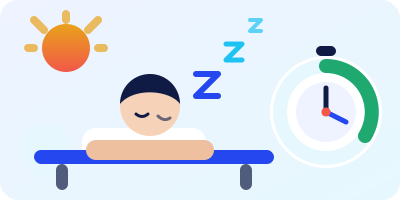
Lying in bed for 8 hours and still waking up tired is common. The problem is the quality of your sleep, not just the number of hours.
But · 5 min read · Sep 5, 2026
A night's sleep is divided into cycles of about 90 minutes, each moving from light sleep to deep sleep and then to dreaming sleep. Deep sleep is when the body repairs tissue and strengthens immunity; dreaming sleep helps the brain organise memories and steady emotions. Waking up repeatedly breaks these cycles apart — you still spend a full 8 hours in bed, but your body has not had the chance to recover.
How much sleep adults need
- Ages 18–64: 7–9 hours a night
- From age 65: 7–8 hours, and sleep is naturally lighter and more easily interrupted
Sleeping less than 6 hours over a long period is linked to high blood pressure, blood sugar problems and weight gain.
What ruins your sleep
- Coffee: its effect lasts for many hours, so an afternoon cup can still disturb your sleep that night
- Alcohol: it helps you drift off but fragments the second half of the night, leaving you awake at 3–4 in the morning
- Blue light from phones, which suppresses melatonin — the hormone that signals it is time to sleep
- Naps longer than 30 minutes, or naps taken late in the day
- Eating a heavy meal or exercising hard within 2–3 hours of bedtime
A few habits worth trying
Keep your bedtime and wake-up time fixed, weekends included. Your body clock prefers consistency over catch-up sleep.
Keep the bedroom dark, quiet and cool. Use the bed only for sleeping — no working or watching films in bed.
In the morning, go outside and get 15–20 minutes of early sunlight. Daylight is the strongest signal for resetting your body clock — and it is free.
When to see a doctor
See a doctor if you snore loudly with pauses in breathing that your family has witnessed, if you are excessively sleepy during the day despite spending enough hours in bed, or if insomnia lasts more than a month. Sleep apnoea is treatable, but if ignored it leads to high blood pressure and heart disease.
Do not buy sleeping pills on your own. Many sleeping medications cause dependence when used long term, and they do not address the underlying cause.
This information is for general reference only and does not replace advice from your doctor.